

How Tune In & Figa Garden Use Two Card Types Across a Karaoke Bar and a Cafe
A karaoke venue and specialty coffee bar in Zagreb using digital loyalty cards with Apple and Google Wallet
The Challenge

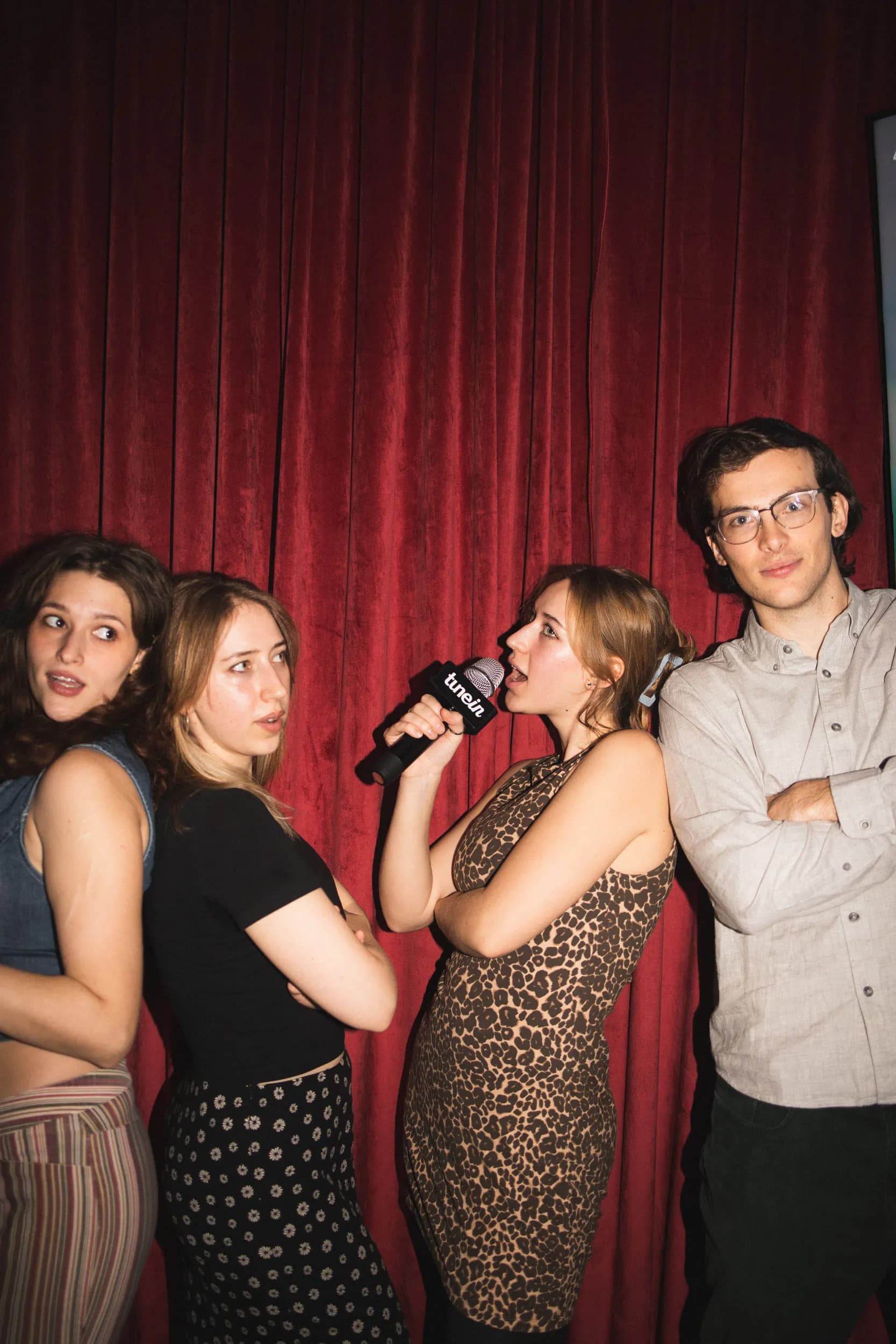
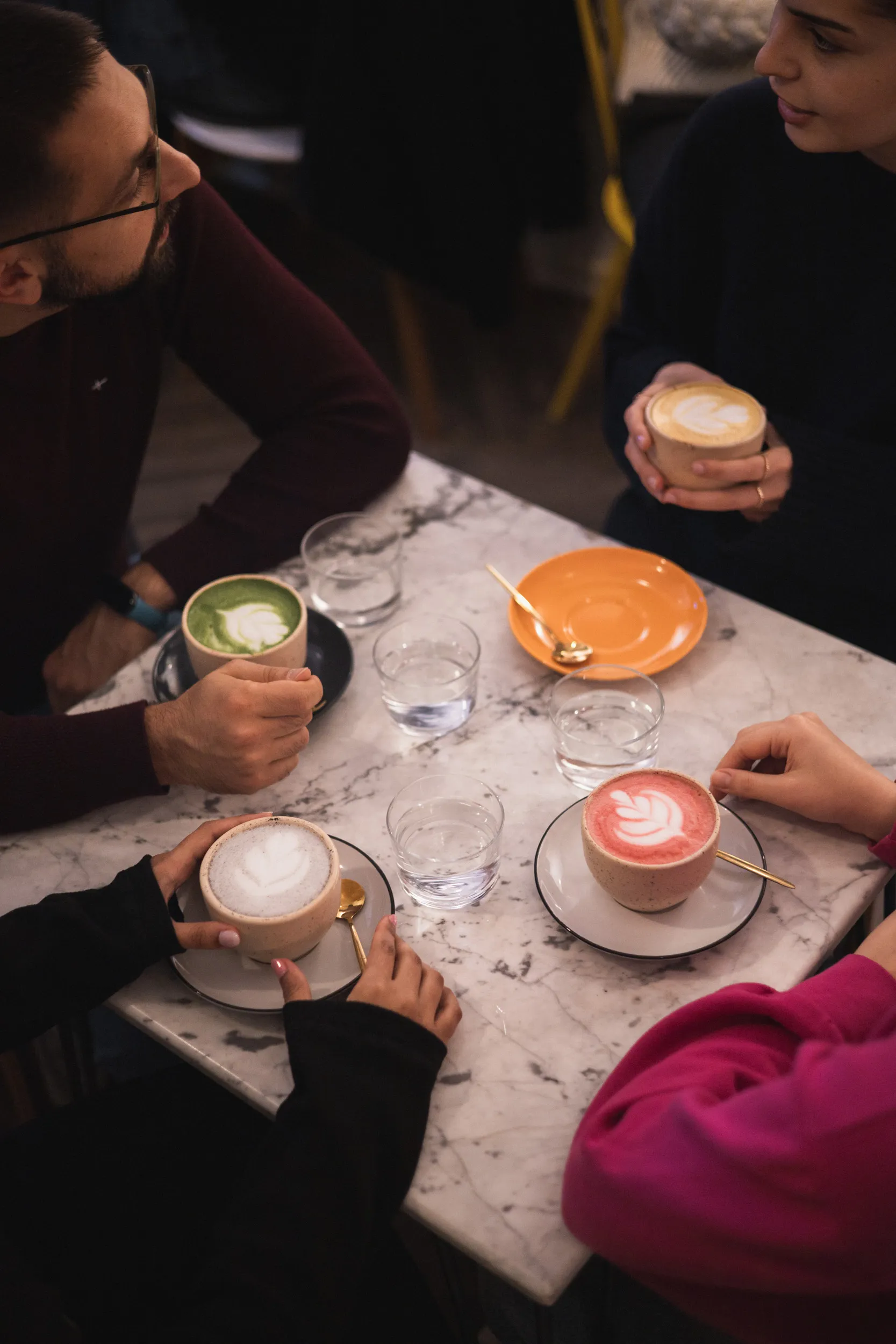
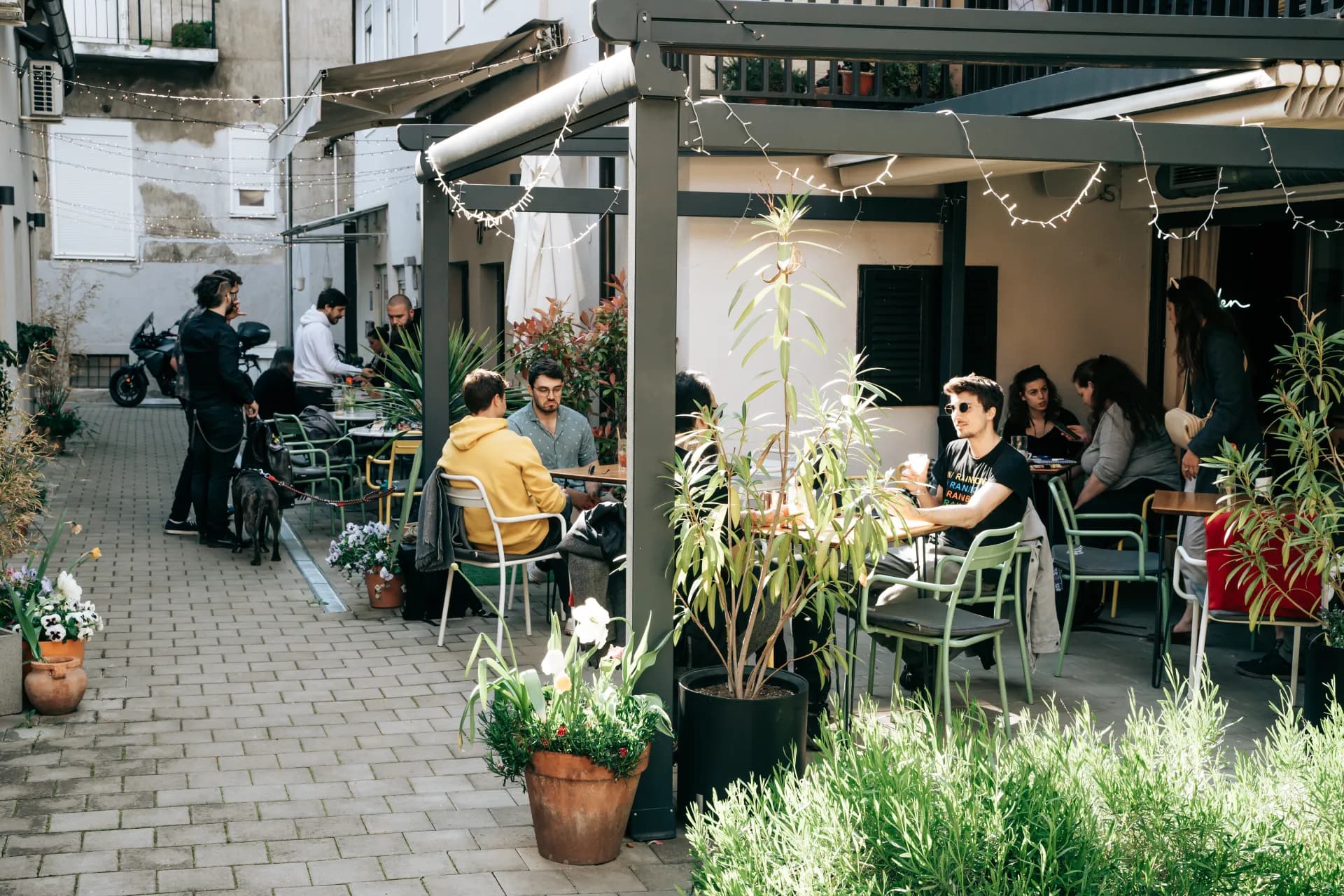
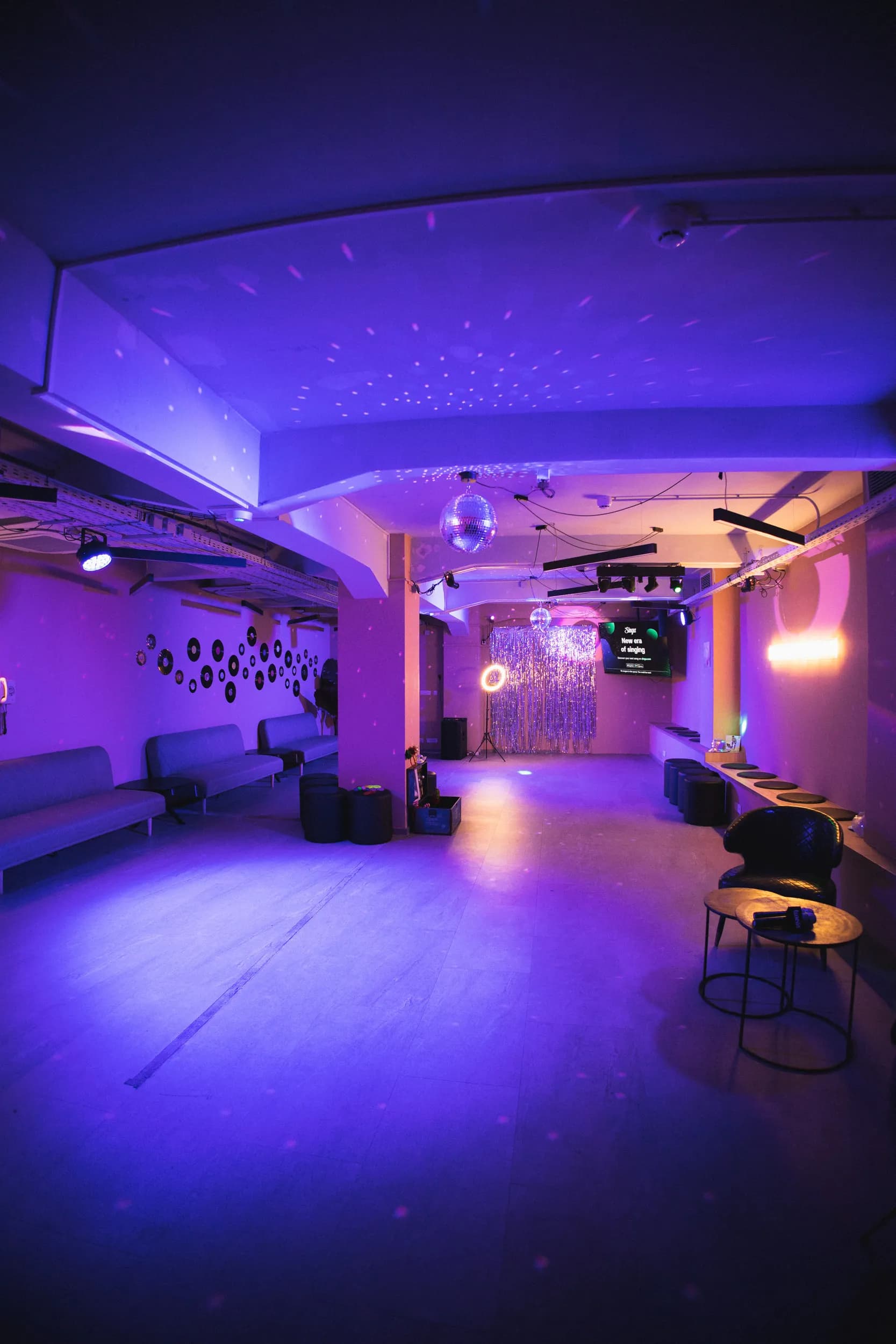
Ofek runs two businesses in the same building in Zagreb, Croatia: Tune In — the first private karaoke rooms in Croatia — and Figa Garden, a specialty coffee bar known for brunch and specialty coffee.
At Figa Garden, they had been using paper stamp cards for years. The problem was familiar: customers would lose their cards, forget them at home, or have wallets stuffed with too many loyalty cards to find the right one. Staff had no way to track how many stamps were actually being given out or redeemed.
With paper cards, it was hard to control. When I work, I know what's going on — but when my colleague works instead of me, we cannot keep track of who got what.
When Tune In launched, Ofek wanted to avoid those same problems from day one. He needed a digital loyalty program that could work across both businesses — one that was easy to explain at the counter and gave him real data as a manager.
How He Found Passtastic
While researching loyalty card solutions online, Passtastic came up as one of the first recommendations.
I usually check four or five companies. I think your product was the most straightforward.
He compared several platforms and chose Passtastic for its simplicity — both for setting up cards and for the customer experience of scanning a QR code and getting a card straight into Apple or Google Wallet.
Two Businesses, Two Card Types

The two venues use completely different card types under the same Passtastic account:
Tune In (Karaoke) — Points Card Guests earn points for every euro they spend on room bookings. Points can be redeemed for:
- Extra hours in a karaoke room
- An Instax photo camera session
- A free karaoke session (for loyal regulars)
The idea is that karaoke is a group activity — you might come with friends one weekend and colleagues the next. The points card gives people a reason to keep choosing Tune In, no matter who they are bringing along.
Figa Garden (Coffee Bar) — Digital Stamp Card The classic format: buy drinks, collect stamps, earn a reward. The digital stamp card replaced the paper cards that had been causing issues for years.
We had paper stamp cards for many years, but people all the time lost them. Now they have it on the phone. It makes it easier for them and easier for me as manager to follow everything.
How Customers Get the Card

Both venues have a small QR code at the reception. The flow is simple:
At Tune In, staff tell guests about the card as they leave — after the experience, when they are in a good mood. At Figa Garden, staff ask during payment: when a customer pays with a card, the team asks if they have the loyalty card. If not, they point to the QR code.
It's very quick. They scan it and then they have it and they say, wow, cool. Very nice.
Ofek noticed something interesting about digital loyalty cards: they feel like less commitment than paper ones. Customers are more willing to scan a QR code than to accept a physical card.
With digital it's less pressure. When you take a paper card, you feel like you need to use it or throw it. With digital, there is no pressure — it's just there on your phone.
What Changed After Going Digital

For Figa Garden, the shift was immediate. Regular customers who had been losing paper cards for years were relieved. The younger crowd — students aged 18 to 21 — got especially excited.
We have younger groups, students. They come back and they are like, oh I have the card! I have the card! And they show it to their friends, and their friends say, oh my god, I also want the card.
Ofek describes it as a product that creates its own marketing. People show the card on their phone, friends see it, and they want one too.
For Tune In, the karaoke venue is newer but has already seen guests returning to redeem rewards like extra hours and free sessions.
As a manager, the biggest change is visibility. Ofek can now set monthly install targets for his team and actually track whether they are hitting them. He can see how many stamps or points the team is giving out and whether customers are actually using their rewards.
Always in the Wallet
One thing Ofek values most is the passive marketing effect. Once someone adds the digital loyalty card to their phone wallet, it stays there — visible every time they scroll past it or open their wallet to pay for something else.
Once they scan it, we are always with them. Even when they pay for something else, they see our card. It's always there in the subconscious.
He plans to start using push notifications in a month or two, once the customer base is large enough — targeting people who have not visited in 30+ days with special deals or event invitations.
What He Would Tell Other Business Owners
I would say it's straightforward, easy to implement. When you start a business, you have to set up so many systems. Passtastic was easy to use from my side as manager, and for the reception it was easy to give to guests.
His philosophy is simple: do the basics well. As he puts it, "for what it is, it's really doing the job — in a simple, straightforward way." He also highlights the pricing model as a strength: being able to start small with a free or low-cost plan and grow naturally as the business scales, without a big upfront expense.
Who This Is For
Passtastic works especially well for:
If you are looking for a loyalty program for cafes and bars or a loyalty card for entertainment venues, this is the kind of setup Tune In and Figa Garden run every day — two card types, one account, all managed from a phone.
Ready to try it yourself?
Create your loyalty campaign in minutes — no customer app downloads.