
How Ki Açaí Launched a Digital Loyalty Program in a Market That Still Uses Paper | Passtastic
Ki Açaí logo
Ki Açaí
Açaí bar (franchise) · Brazil
Visit website
Spoke with Claudio, Owner

How Ki Açaí Launched a Digital Loyalty Program in a Market That Still Uses Paper

An açaí franchise store in northeast Brazil using a digital points card with Apple and Google Wallet to reward regulars by weight

Key highlights
Points by weight (100g = 1 point)Apple & Google WalletDigital loyalty in a paper-first market

The Challenge

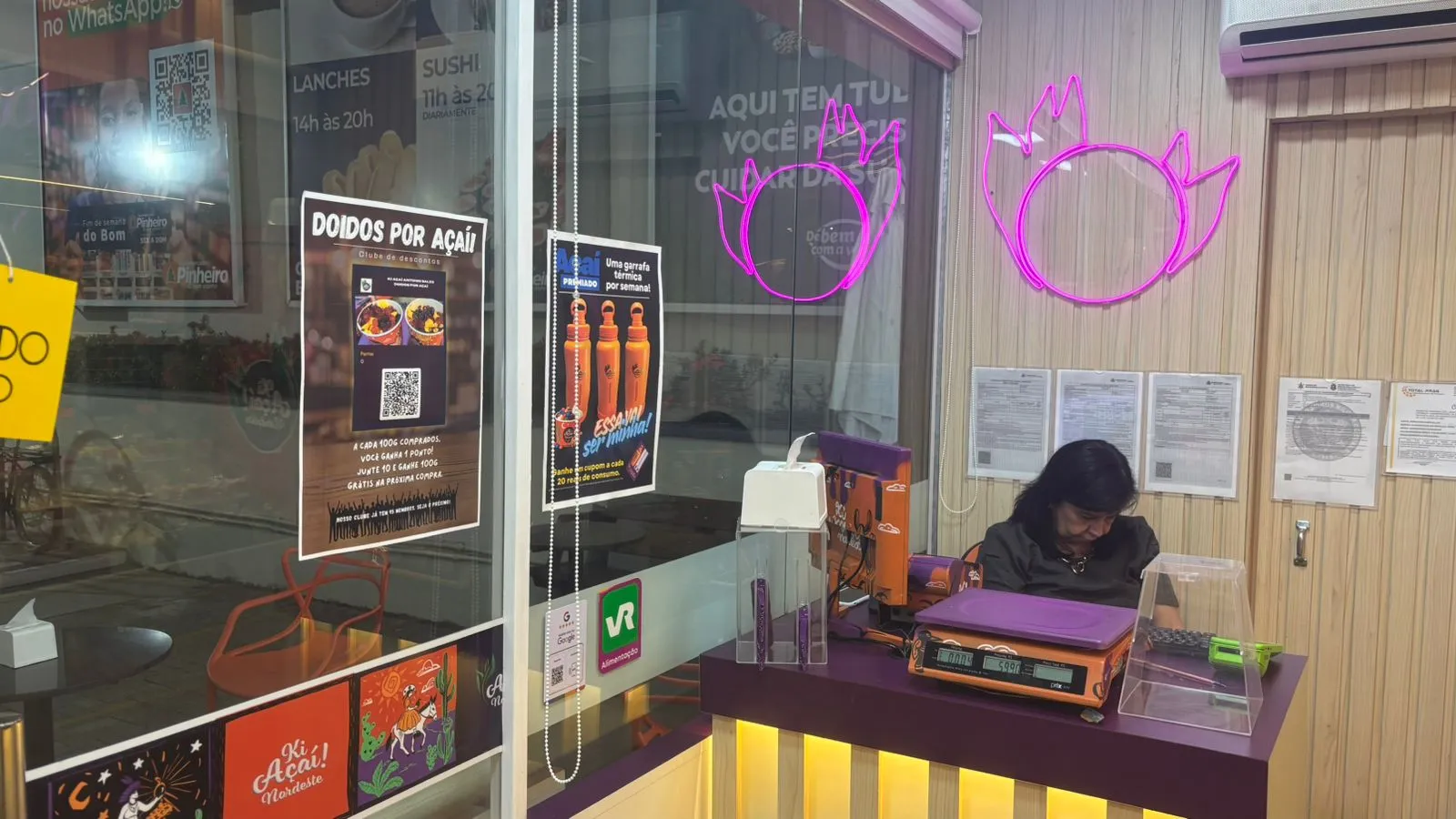
Ki Açaí store front with neon açaí leaves and staff at the counter
The Ki Açaí store front — neon açaí leaves, the loyalty poster, and the counter

Ki Açaí is part of a franchise system with around 50 stores across northeast Brazil. Claudio and his daughter opened their own franchise location in October 2025, selling açaí and other sweet fruits in a self-service format — customers serve themselves, add toppings, and pay by weight.

In Brazil, paper stamp cards are still the standard for loyalty programs. Other stores in the franchise use them. But Claudio saw the problems: paper cards get lost, left at home, and — as he heard from other owners — stamps can be hard to verify.

He wanted something digital from day one. Something customers could carry with them on their phone, and something that would give him real data about who was coming back and how often.
Here in Brazil it's not very common to use digital fidelity cards. We use a lot of papers. But I decided it's better to use digital.

Why They Chose Passtastic

Claudio did his research. Before choosing a provider, he compared solutions from around the world — looking for something that was simple for customers, worked with the phone wallets they already had, and made sense for a new franchise store.

We did a huge and deep research all over the world to find a company to share our needs, and we saw Passtastic as a good option.

The digital approach also solved a practical problem. With paper cards, there was no easy way to verify whether stamps were legitimate. With a digital points card, every transaction is tracked — and if something looks off, Claudio can cross-check the loyalty data against the store's POS system.

How It Works in Practice

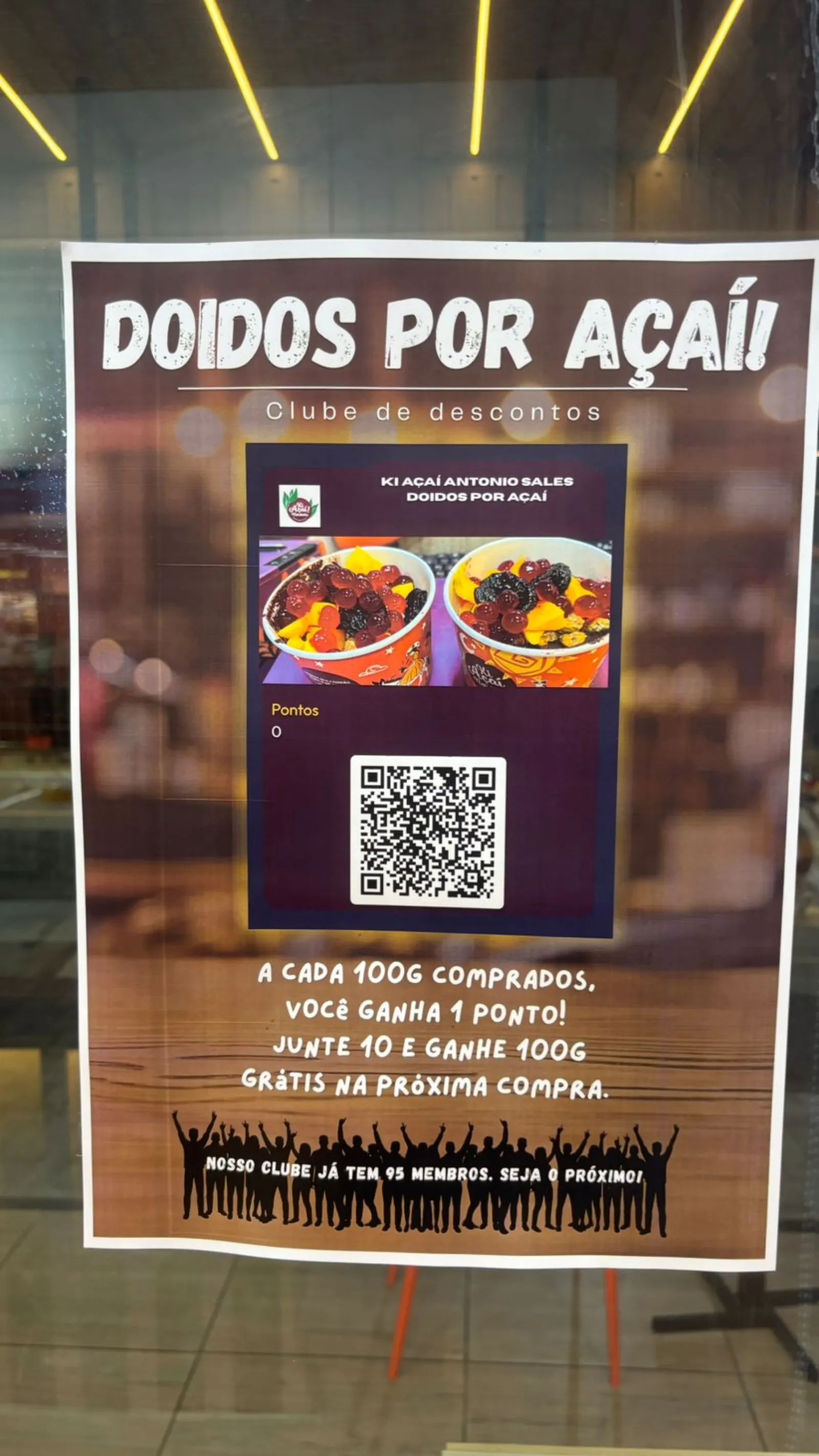
Close-up of the Doidos por Açaí poster with QR code and loyalty card preview
The 'Doidos por Açaí' poster — every 100g earns a point, collect 10 and get 100g free

Claudio designed the enrollment poster himself — an A3-sized sign placed right next to the cashier. It reads "Doidos por Açaí" ("Crazy for Açaí") and explains the program in simple terms: for every 100 grams you buy, you earn one point. Collect 10 points and get 100 grams free.

Customers scan the QR code, add the card to Apple Wallet or Google Wallet, and start collecting points immediately. The store uses an old iPhone as the scanner, and the two employees got used to it quickly — even though they don't speak English.

It's very easy for them. Every 100 grams you buy, you get one point. When you have 10 points, you can get 100 grams for free.

The program was also promoted with a live member counter on the poster: "Nosso clube já tem 95 membros. Seja o próximo!" — "Our club already has 95 members. Be the next!"

The Points Card

The loyalty card works by weight, which fits the self-service model perfectly. Instead of a flat "buy X, get one free" structure, every purchase counts proportionally:

  • Every 100g purchased = 1 point
  • 10 points = 100g free on the next visit
  • Effectively a 10% reward rate

What Changed After Launching

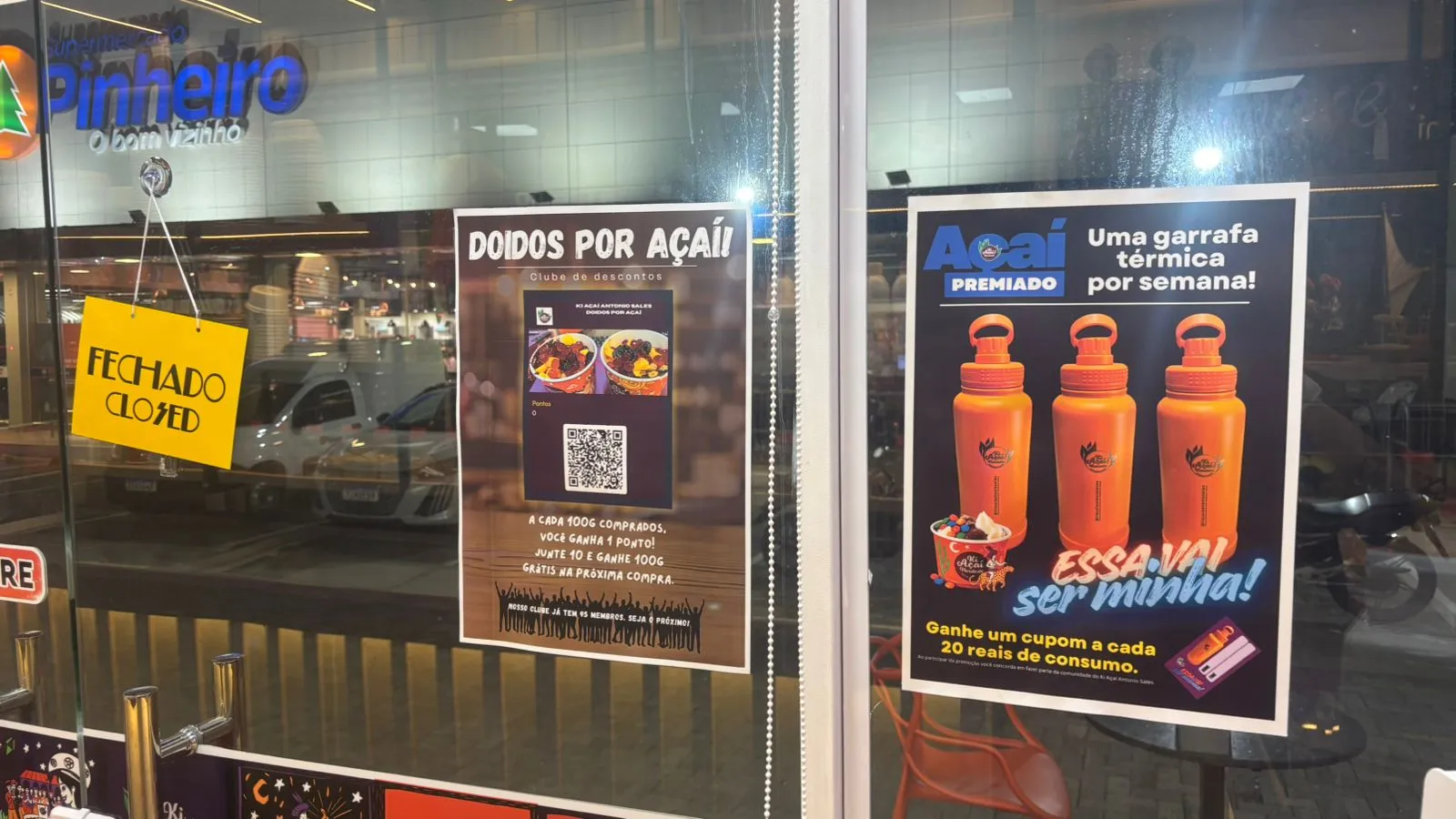
Store front showing the loyalty poster and the weekly water bottle raffle promotion
Two promotions side by side — the loyalty program and a weekly branded water bottle raffle

The store opened in October 2025 and launched the loyalty program at the same time. Within three months, nearly 190 customers had enrolled — with more joining every week.

  • ~190 loyalty cards in three months
  • 642 total scans
  • 881 points accumulated across all customers
  • Growing enrollment week over week

For Claudio, having the data is just as valuable as the repeat visits. He can see who is coming back, how often they buy, and whether the numbers match his POS records.

Customers are enjoying the system. The number of customers is growing.

Why Digital Over Paper

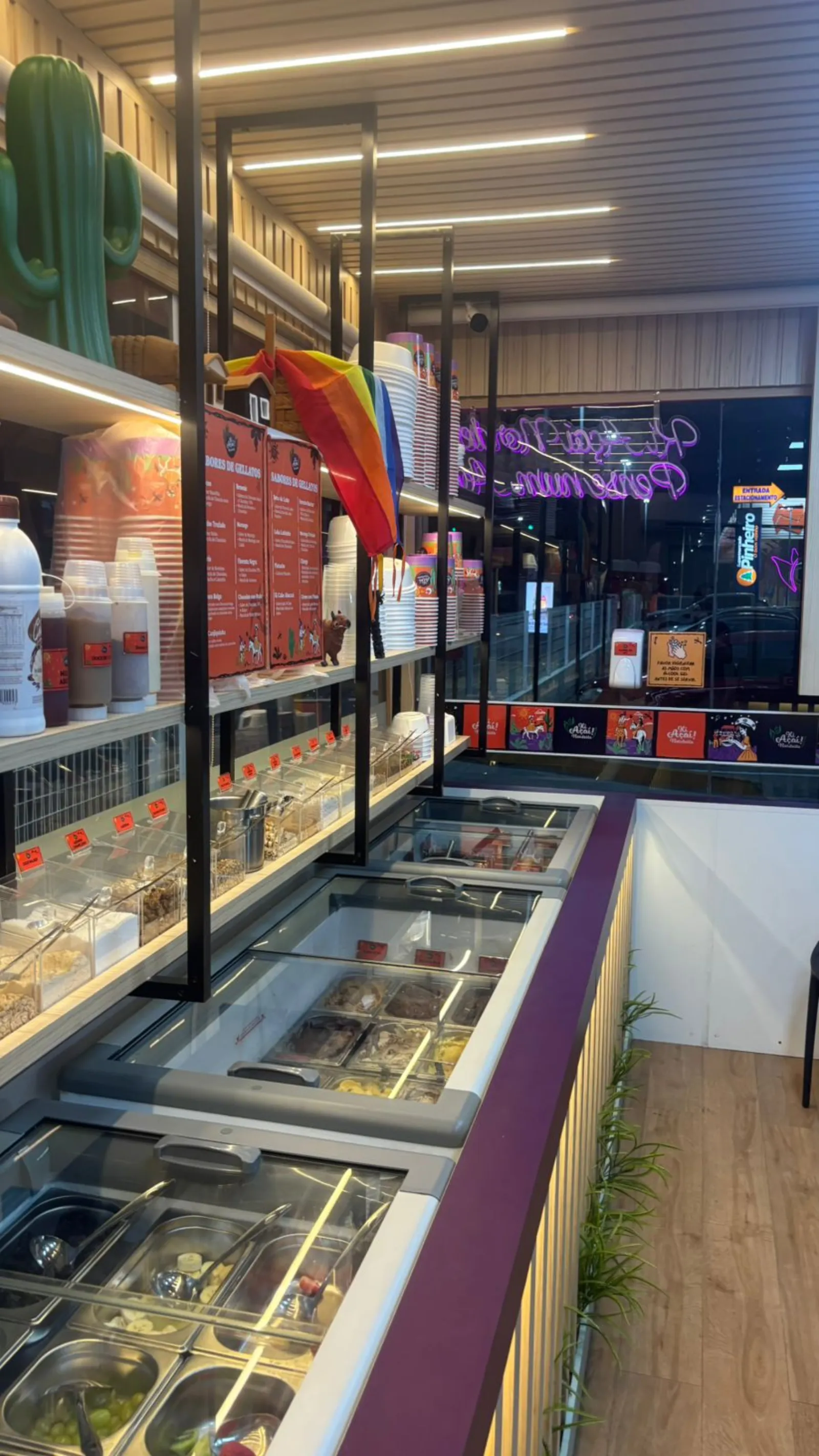
Inside the Ki Açaí store — the self-service açaí bar with toppings
The self-service açaí bar — customers choose from a range of toppings and pay by weight

In a market where paper is still the default, choosing digital was a deliberate decision. Claudio sees clear advantages:

  • Always with the customer. No card to forget at home — everyone carries their phone.
  • Tamper-proof. Every transaction is verified digitally.
  • Verifiable. Every scan can be cross-checked against POS data.
  • Data collection. Phone numbers and visit history for future marketing.

The digital version is much more useful to carry with you. Everybody carries their mobile, wherever they go.

Who This Is For

Passtastic works especially well for:

Açaí bars, ice cream shops, and self-service food businesses — reward customers by weight with a digital points cardFranchise owners looking to stand out from paper-based competitors — create a digital loyalty programBusinesses that want to track every visit and cross-check loyalty data against their POS systemStore owners ready to collect phone numbers — run future marketing campaigns

If you run a food business and want a loyalty card that works with Apple and Google Wallet, rewards customers proportionally, and gives you real data on who is coming back — start building yours today.

Ready to try it yourself?

Create your loyalty campaign in minutes — no customer app downloads.