
Digital Stamp Cards: How to Set Up One That Works
A digital stamp card is 'buy 9, get the 10th free' — but in the phone wallet, so it can't be lost. Here's how they work, how to set one up, and how to get customers using it.


A digital stamp card is the same "buy 9, get the 10th free" idea — it just lives in your customer's phone instead of a paper card they'll lose. Same simple mechanic, none of the paper problems: it can't be left at home, you can see who's actually using it, and adding a stamp is one scan at the counter. Here's how digital stamp cards work, how to set one up, and how to get customers to use it.
What is a digital stamp card?
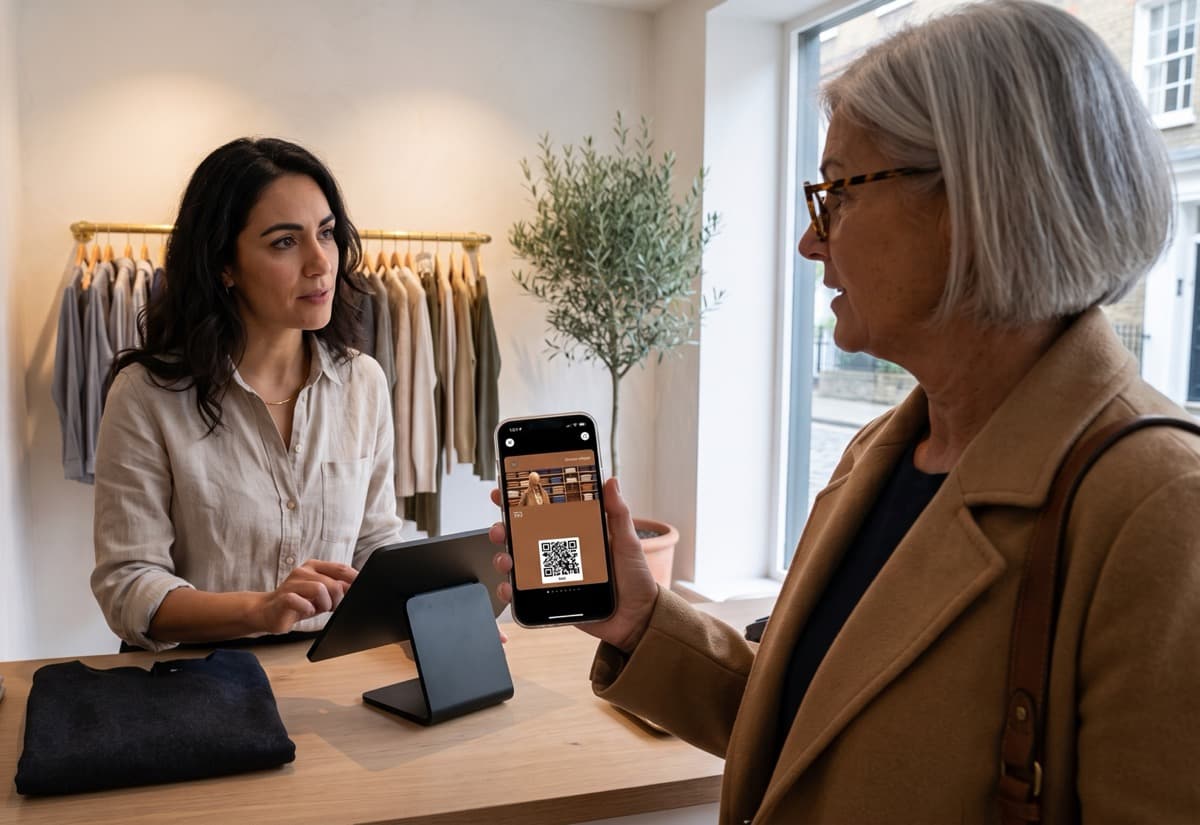
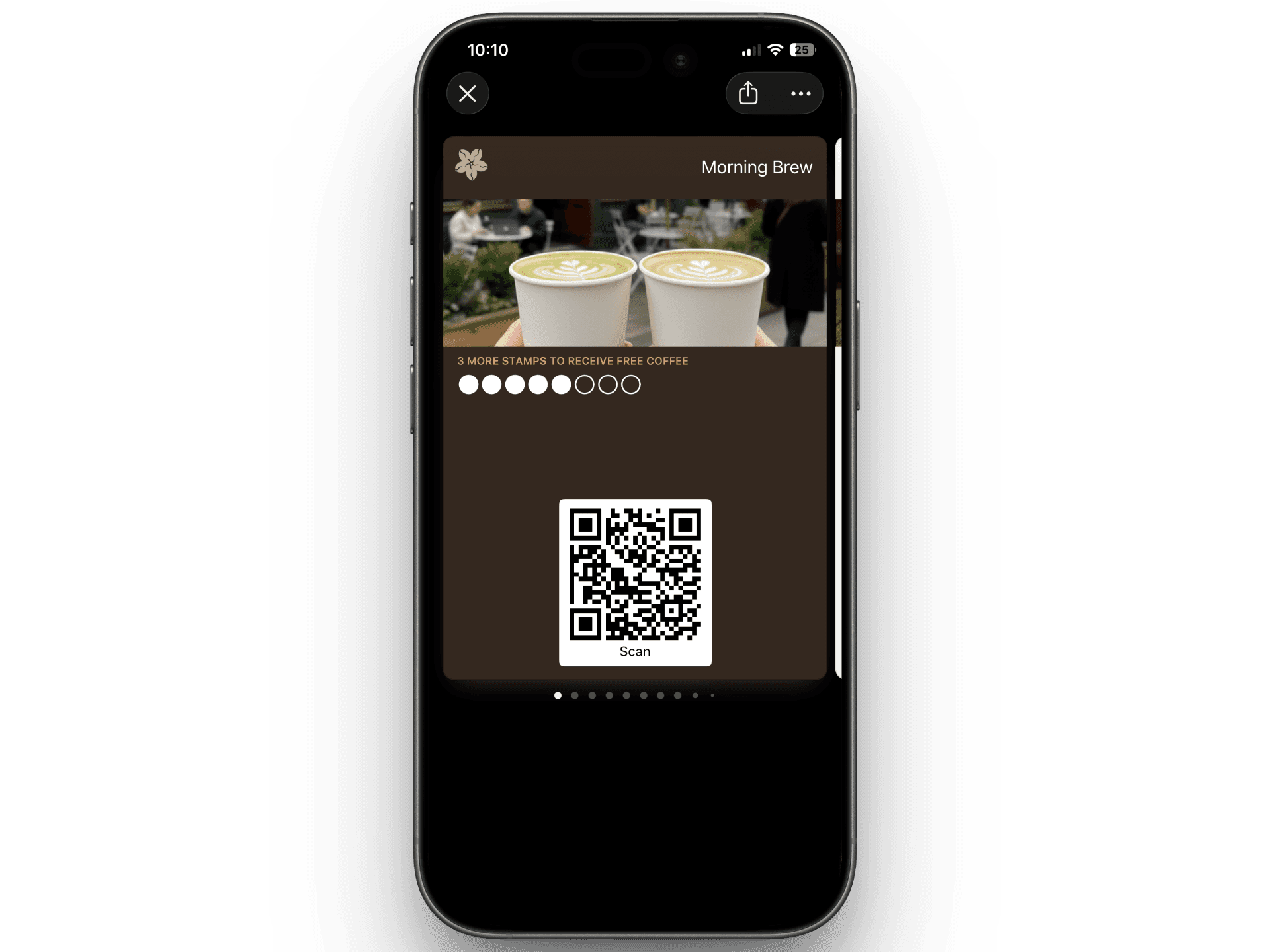
It's a loyalty card that lives in Apple Wallet or Google Wallet — the wallet app already on your customer's phone. Every time they buy, your staff scan their phone and a stamp gets added. When the card's full, they earn the reward. That's the whole thing. You might know it as a punch card or a coffee card — a digital punch card is the same tool, just living in the phone instead of a back pocket.
It works exactly like a paper punch card, minus the paper. And that "minus the paper" fixes almost everything that was wrong with the old version. A digital stamp card can't be lost or forgotten, it shows real-time progress every time the customer opens their wallet, and every scan tells you who's coming back. Paper never did any of that — fewer than one in eight paper cards ever gets completed.

Why do stamp cards work so well?
Because the goal is simple and you can see it getting closer. "Three stamps to a free coffee" is a reason to come back, and the closer someone gets, the harder it is to stop. There's no maths, no app to open, no points to explain — a customer understands it in one second at the counter.
One honest caveat: a stamp card rewards a place people already like. It won't rescue a bad flat white or a slow queue. Get the basics right first, and the card turns the regulars you already have into ones who come a little more often.
How many stamps should it have?
For most cafés, eight — a daily customer finishes in about two weeks, which feels earned but reachable. Premium spots can use six; go above ten and most people give up. The less often someone visits, the fewer stamps they need. We break down the right number by business type in how many stamps a loyalty card should have.
What reward works best?
The best reward is the one customers already want — usually your most popular item. A free coffee, a free pastry, a free wash. "Your next coffee is on us" beats "15% off" because there's no maths and no catch; they know exactly what they're earning.
Keep the cost sensible: the reward should run you roughly 5–10% of what a customer spends to earn it. A free coffee after nine paid ones is about 10% — right in the zone. Skip percentage discounts and store credit; a free thing they love is clearer, and it feels more generous than it costs you.
Stamp cards or points — which should you use?
For most small businesses, stamps. They're simpler, they don't need explaining, and your staff never do sums at the till. Points fit better when your prices vary a lot — a €3 coffee next to a €12 brunch — because customers earn in proportion to what they spend. If you're weighing it up, here's stamps vs points in plain English. Short version: start with stamps, and add points later if you ever need them.
How do I set up a digital stamp card?
About five minutes, no app to build and no card to print.
Step 1: Create the card.
Open the create your stamp card page and choose a stamp card.
Step 2: Set the reward and the count.
Pick something customers actually want — a free coffee, a free pastry — and how many stamps it takes (eight is a safe start). Give new customers a stamp or two to begin with; a head start makes them roughly twice as likely to finish.
Step 3: Make it yours.
Add your logo and colours so the card looks like your business in the customer's wallet, right next to their bank cards.
Step 4: Share it.
Print a QR code for the counter, drop the link in your Instagram bio, and text it to your regulars. Customers scan, tap "Add to Wallet," and they're in. Your staff's whole job from then on: scan the phone after they pay.
How do I switch from paper without losing customers?
Run both side by side for a few weeks. Keep stamping the paper cards people already have, and offer the digital one to everyone new or anyone who's lost theirs. Customers drift to the phone version on their own, because it's the one they can't leave at home. No cut-off date, no awkward conversation — the paper cards just fade out.
We didn't like the idea of having to print cards, stamp them, and have customers carry them around.

Does it work for more than coffee shops?
Yes — anywhere people come back on a rhythm. A coffee shop is the classic fit, but a nail bar, a juice spot, a barbershop, a lunch counter, or a car wash all run the same "collect stamps, earn a reward" loop. The only rule of thumb: match the stamp count to how often people visit, so the reward always feels within reach.

Common stamp card mistakes to avoid
A few things quietly kill a stamp card:
- Too many stamps. A 15-stamp card is a card nobody finishes. Keep the goal close — eight or fewer for most businesses.
- A boring reward. "5% off" doesn't move anyone. Give a free version of what they already buy.
- Nobody mentions it. The card only works if your team offers it at the counter — one line: "Want a stamp? Your tenth is free."
- Making it hard to redeem. When someone earns the reward, give it gladly. A grudging free coffee undoes the goodwill you just built.
None of these are hard to avoid — but skip them and even a well-designed card goes unused.
Set up your stamp card in 5 minutes — pick your stamps, brand it, and share it today.
Create your stamp card